The Jesuits in Myanmar are fewer than those of a centurion’s men, and yet despite our weaknesses, we are called and sent to collaborate in this vineyard of the Lord. It has been three years that the nation has been living in hell amid covid and coup, conflict, and war.
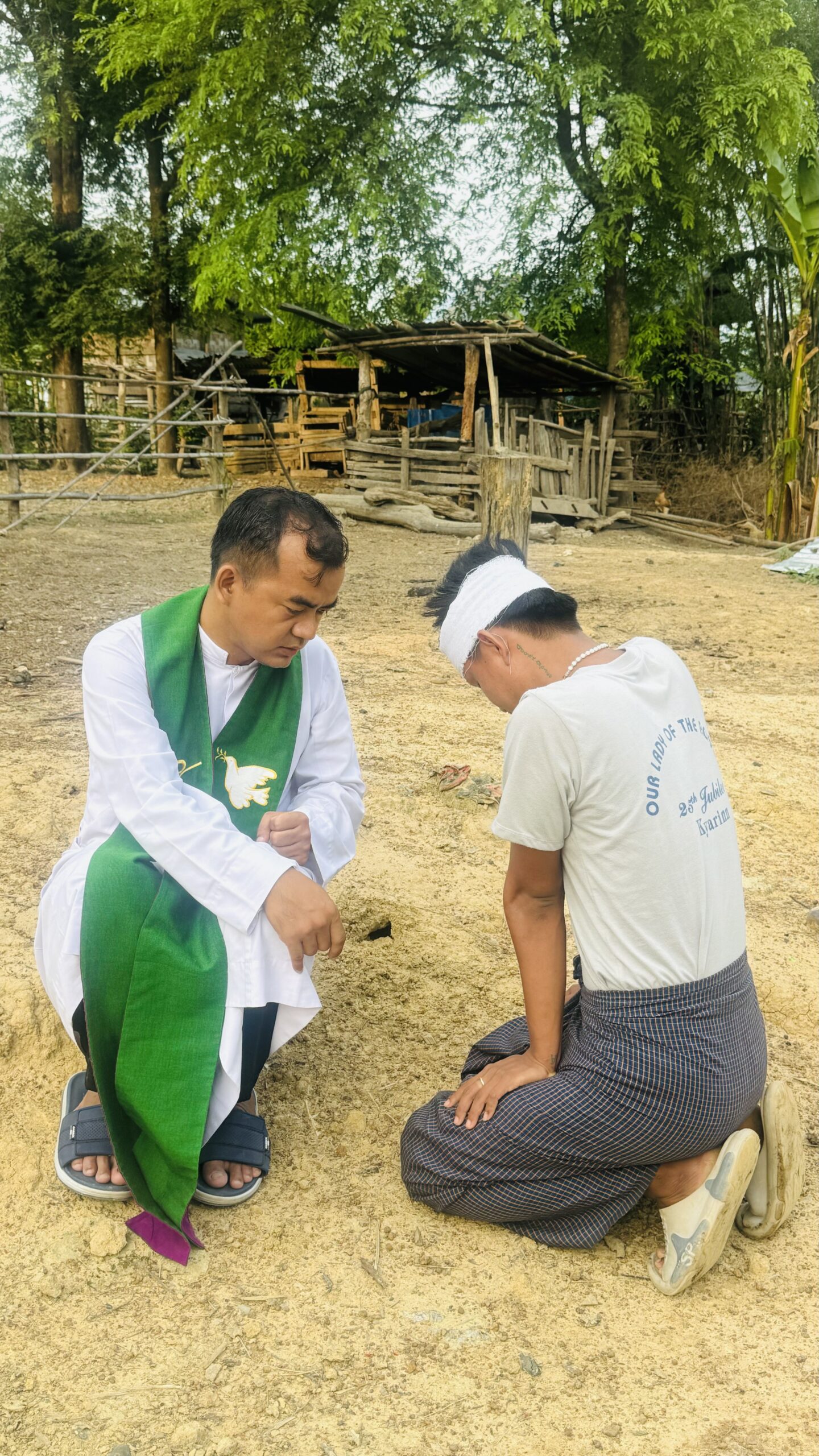
Violence is within us, around us, and above us. The faith trial is finding and showing God to people that seek hope and peace during this stark reality of life. Burying the bodies of people killed, consoling the bereaved families, and visiting those whose shelters were arsoned was a Xaverian mission. No words of solace can heal the bottomless wounds.
Often, they asked, “Where is God? Has he abandoned us? Will he not stop this evil?” My theological knowledge has no sufficient responses.
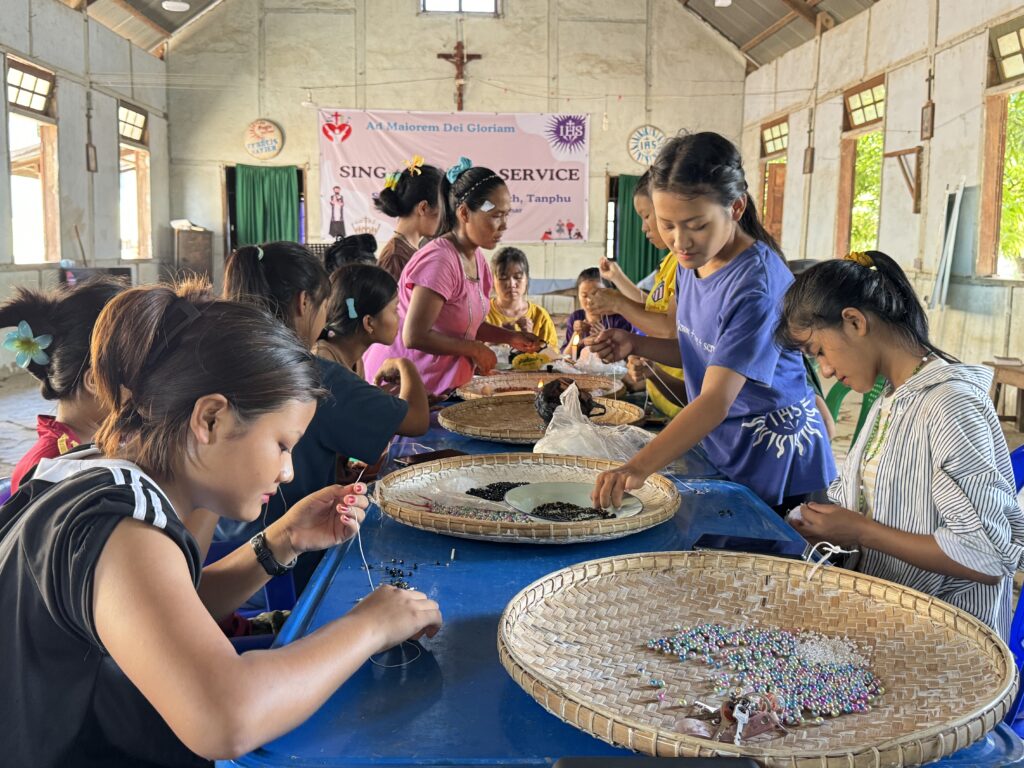
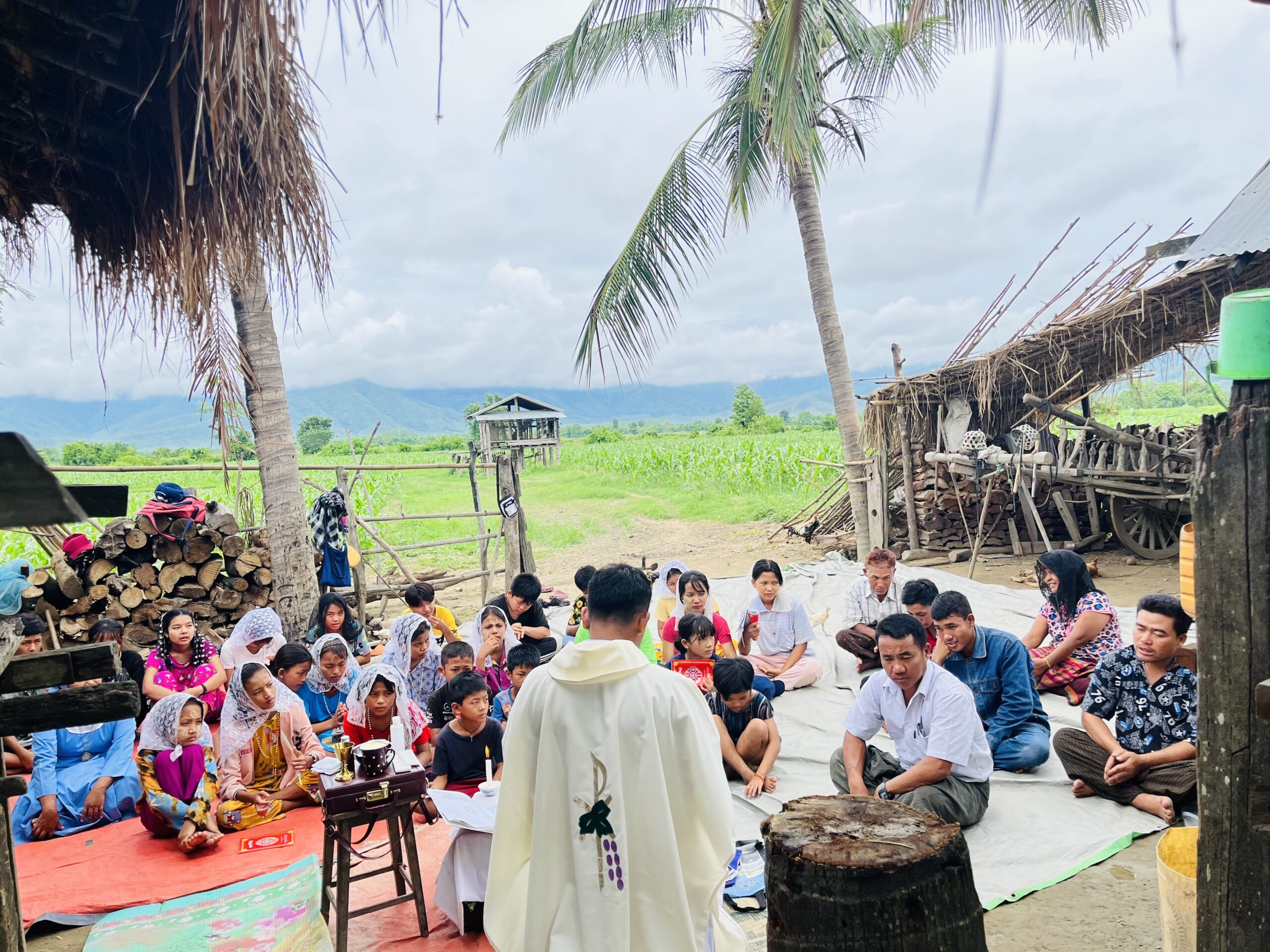
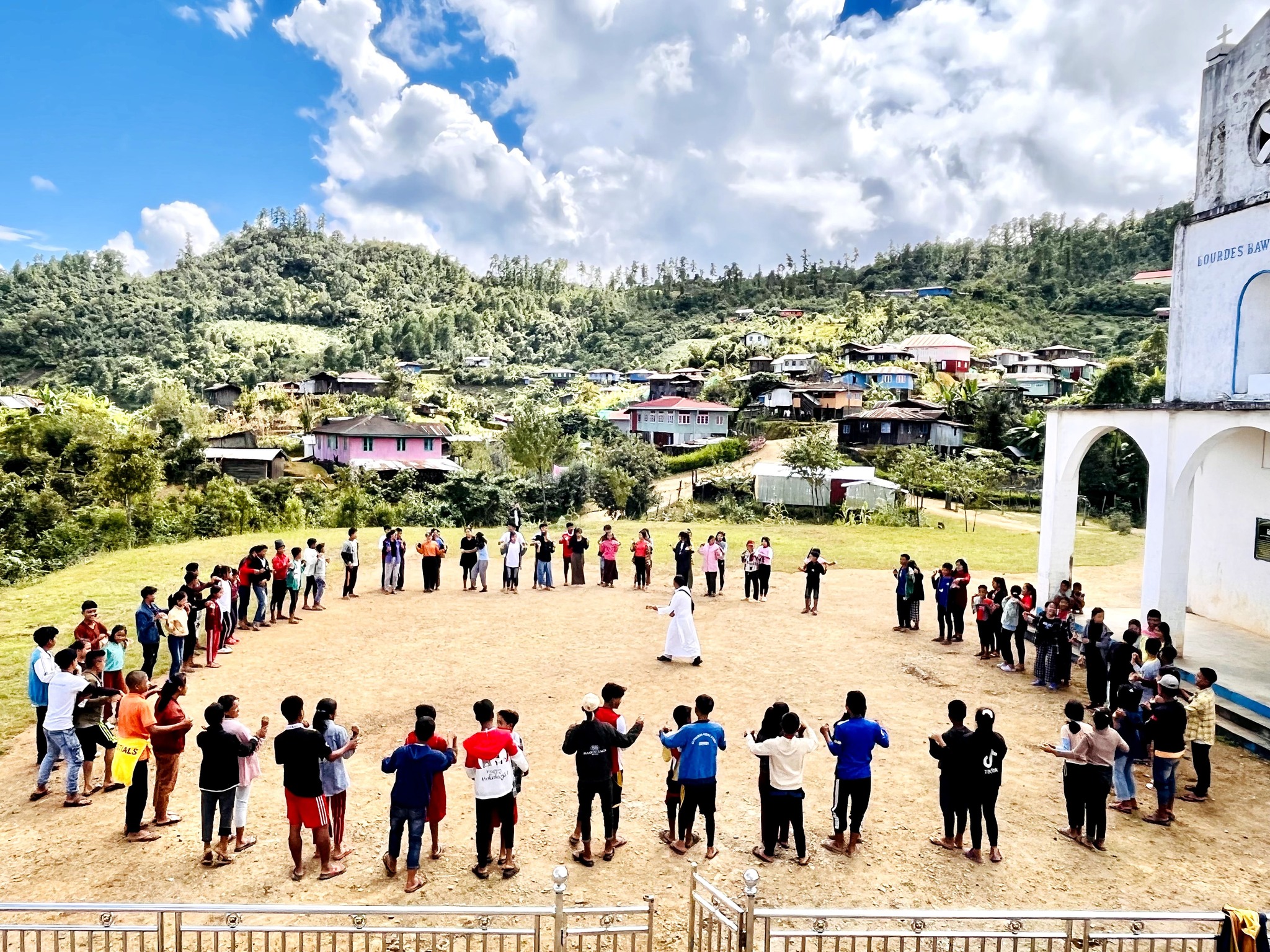
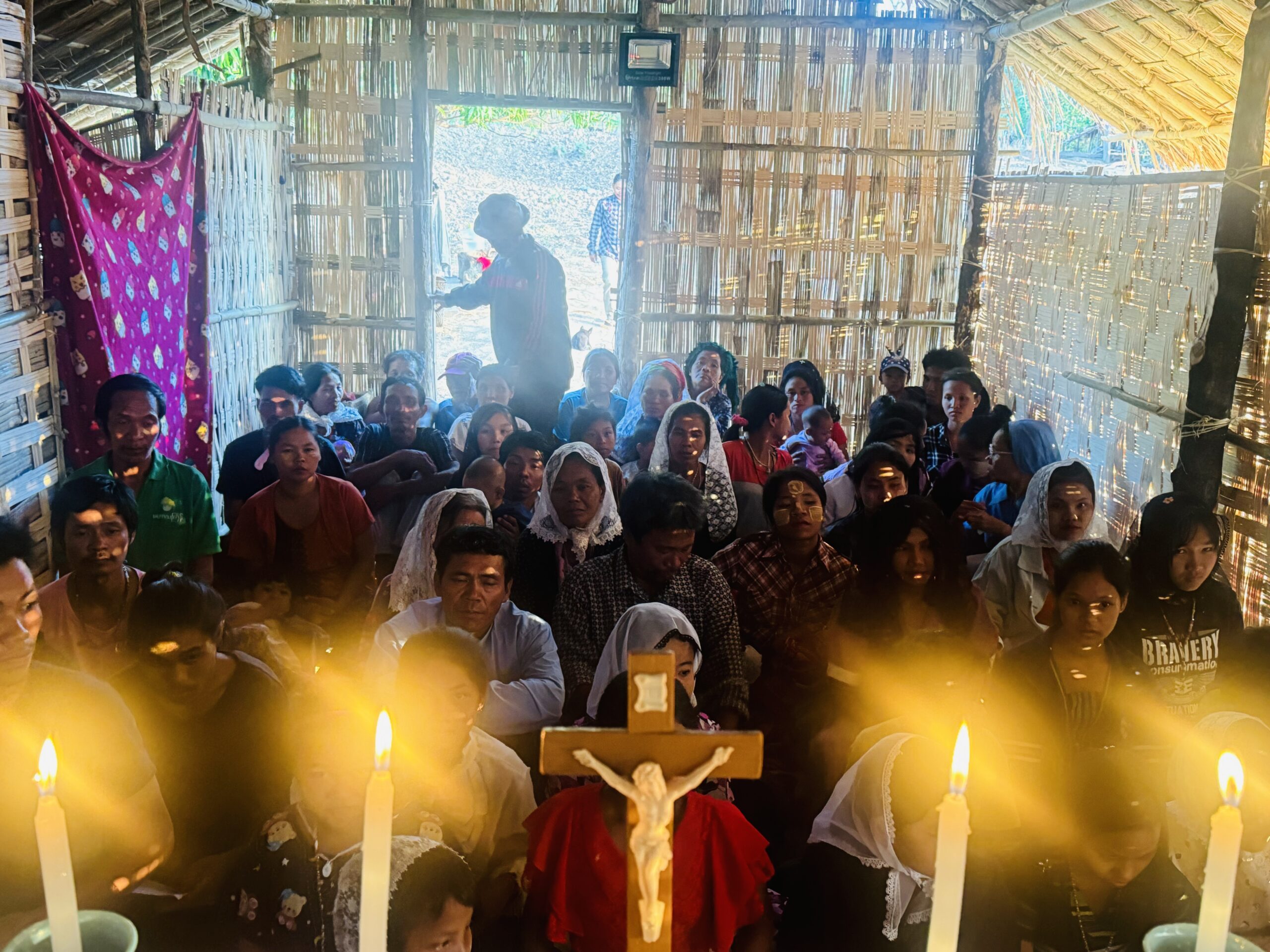
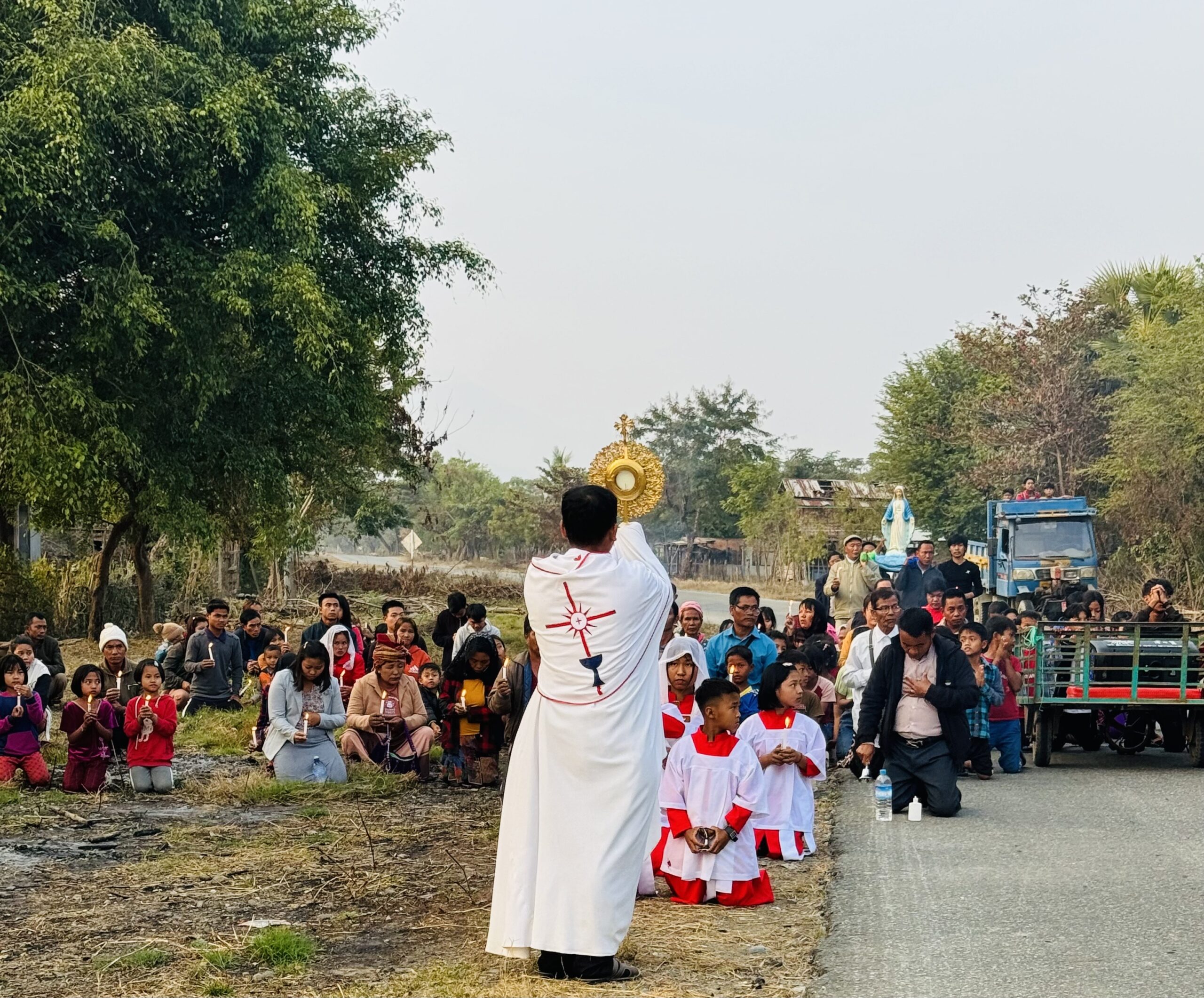
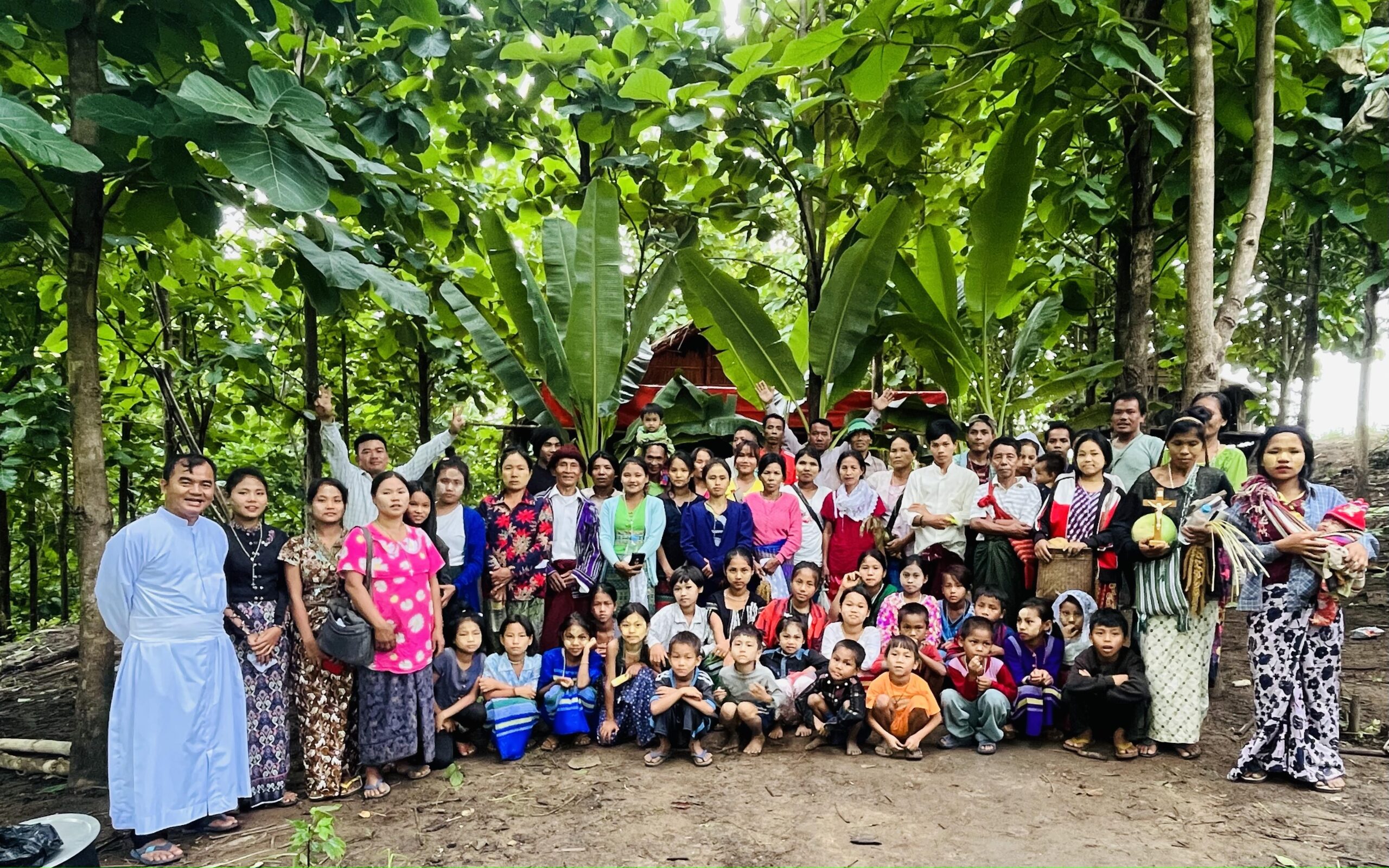
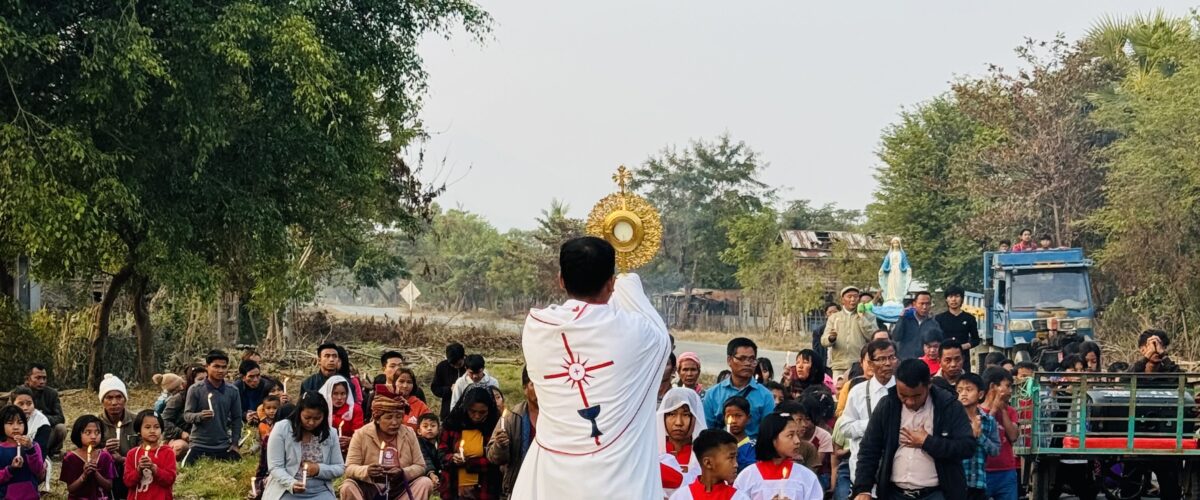
I answer their doubts by administering the sacraments—bringing the crucified Jesus, whose body is broken and blood is shed for us; forgiving and reconciling with God and people; baptising newborn babies, who are a sign of God’s love; and marrying the newlywed couples who are God’s unceasing blessings to humanity. In addition, the sacrament is present through pastoral visits to the broken, the lonely, and the fearful ones. Occasionally, in their dark moments of life, it is our being present amid them that is all that they need. When the military junta attacks a village or town, the citizens flee to a supposed safer place. As a Jesuit priest, I run with them and live with them in a challenging and uncomfortable place in forests or hills. One learns to suffer with them or die with them (if God wants us, when the bomb drops…).
It is never to be a Jonah, although it is easy for us—as an individual person—without having to be anxious about the loss of properties or others. However, a true shepherd of Christ must be willing to protect and sacrifice his life for the flock. One day when a new earth and heaven are created in Myanmar, the people will cherish or curse, “our journey with them in their storms of life” or “our selfish escape and hide in our comfort zones during their desert experience of life.”
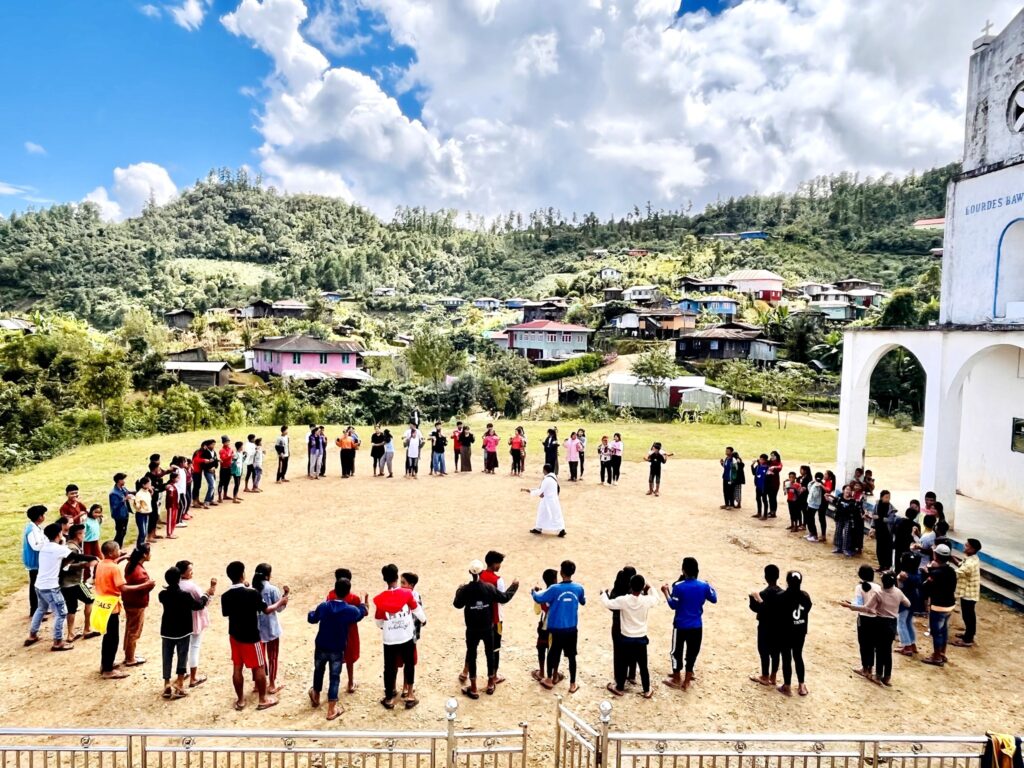
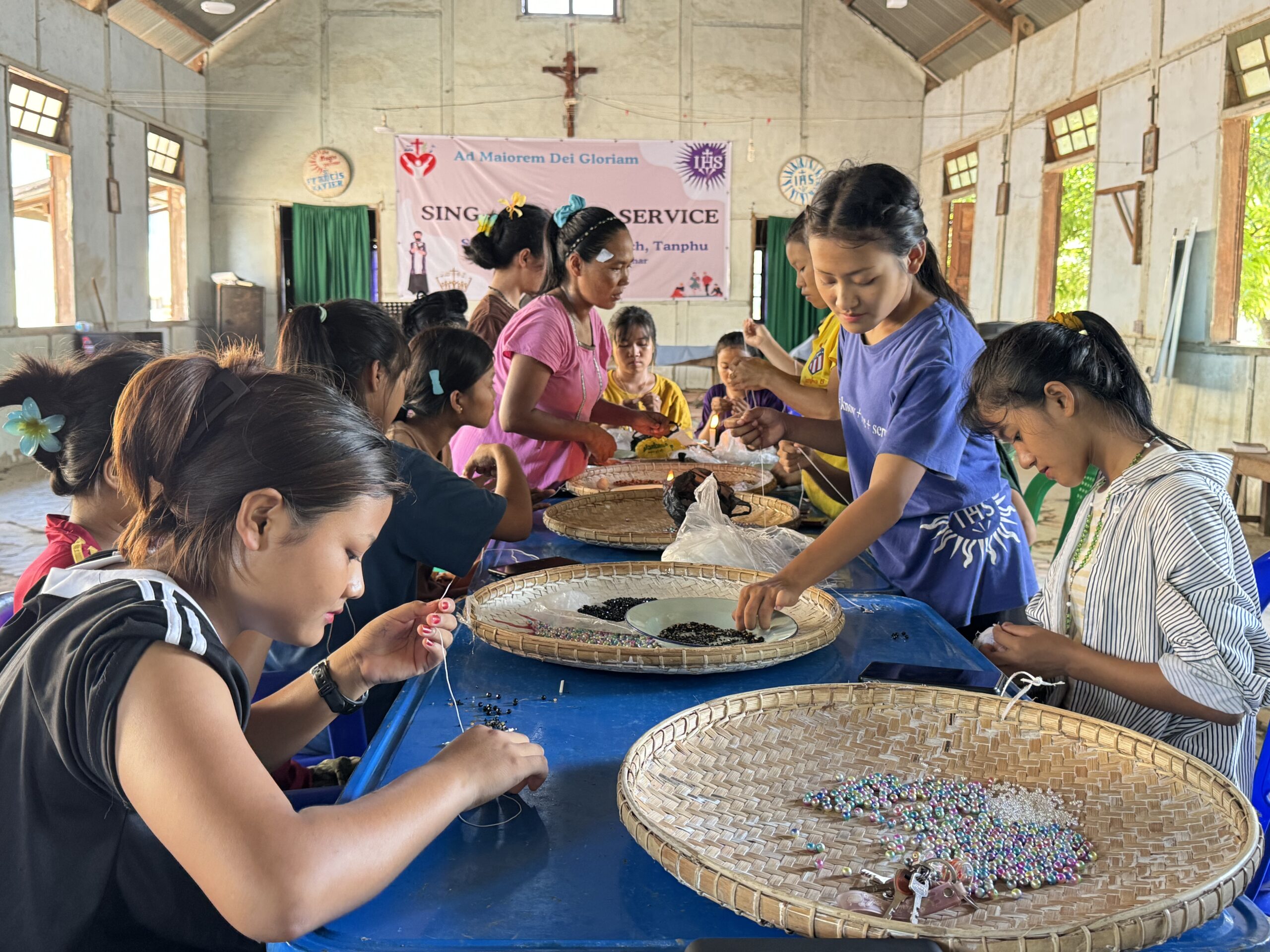
We are not NGOs or INGOs, and hitherto through the charitable works of the Church, the Society of Jesus, and some magnanimous donors, we provide food, shelter, medical care, or emotional support that speaks volumes to those who have lost everything. These actions of Good Samaritans make us witnesses of Christ the Lord, who is Jehovah Jireh, and living in the spirit of koinonia. Often, these resources might not be plentiful, and yet everyone receives some portions to live on. In sharing and distribution of such resources (mentioned above), including everyone regardless of race, language, faith or status fosters the spirit of equality and fratelli tutti.