A conversation with Sr. Orla Treacy CJ, on faith, resilience, and transforming lives in South Sudan
Interview by Carla Bellone
Hidden in some of the world’s most fragile places are missionaries whose courage, compassion, and quiet perseverance reveal the face of Christ.
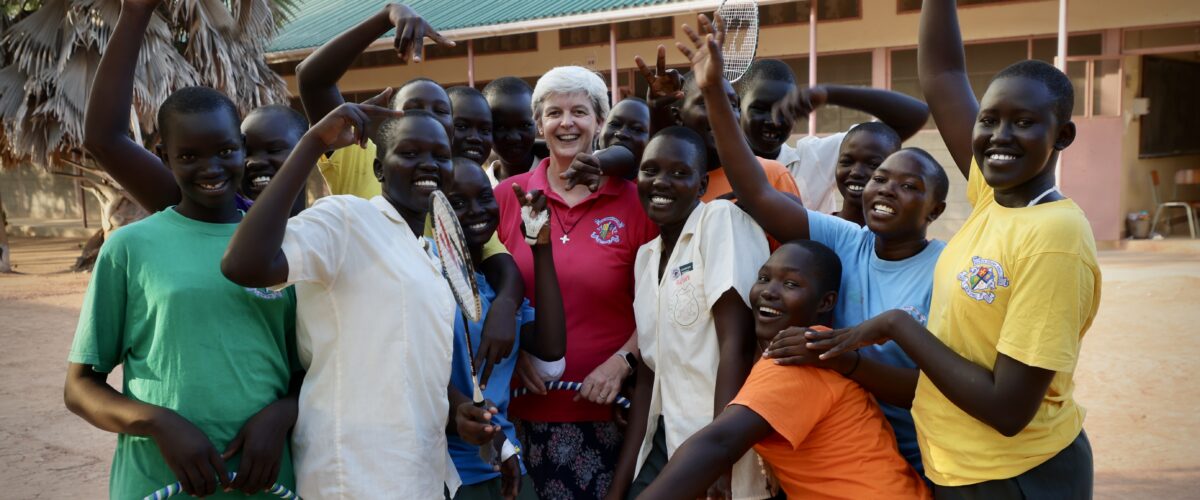
One of them is Sister Orla Treacy, an Irish religious sister of the Congregatio Jesu, who has spent nearly two decades serving in South Sudan. In this conversation, she reflects on her vocation, the struggles and graces of missionary life, and the hope that continues to take root among the women and young people she accompanies.
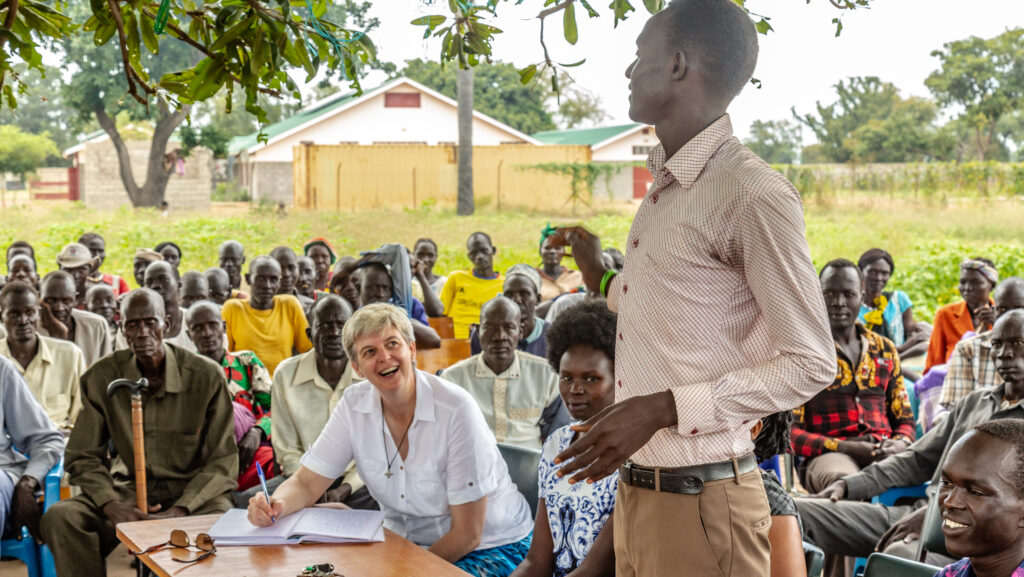
“I thought I’d stay for five years… and here I am, almost twenty.”
Carla Bellone: Sister Orla, thank you for taking the time to speak with us today. Could you begin by telling us about your vocation and the path that led you to your current mission in South Sudan?
Sister Orla: I am Irish and, until 4 November 2025, I was a member of the Loreto Sisters (Institute of the Blessed Virgin Mary). Following the union of the two congregations, I am now part of the Congregatio Jesu. After completing my university studies, I felt a deep calling to religious life.
In 2003, I entered the congregation, although I was fairly certain I did not want to be a missionary. Then, in 2006, after a period of discernment, I travelled with some sisters to South Sudan, responding to the bishop’s invitation to open a girls’ boarding secondary school.
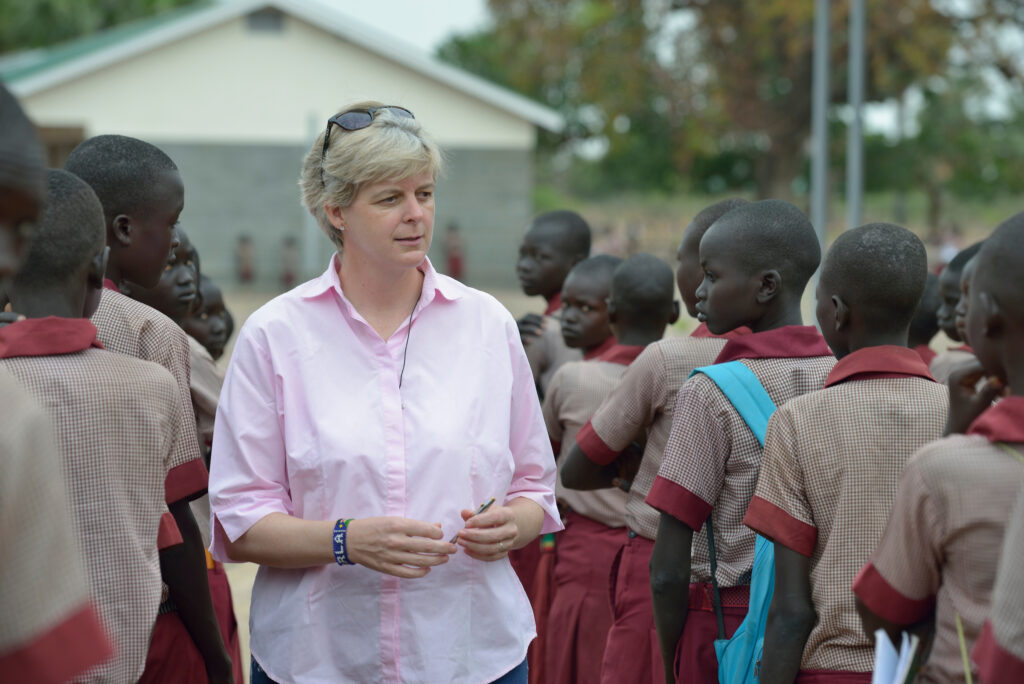
We arrived in a country emerging from twenty years of civil war. There was nothing — not even primary education for girls. It was daunting, but I felt drawn to it. I thought I would stay five years… and I’m still here nearly twenty years later.
“Where there is suffering, there is the cross. And where there is the cross, there is Jesus.”
Carla Bellone: When you arrived, there was almost nothing. How did you manage to live the contemplative dimension within such intense activity?
Sister Orla: The early years were extremely hard. We faced illness, isolation, and constant challenges. I remember sitting before the cross at night, weeping, asking God for strength.
Then a Jesuit priest told me: “Where there is suffering, there is the cross, and where there is the cross, there is Jesus.” Those words have carried me through every hardship.
Since then, my mission has become one of presence — simply enduring, staying, hoping. Each day I try to give thanks for something small. Sometimes it’s just a good cup of tea that keeps me going.
“Community is everything here.”
Carla Bellone: How important has community support — both religious and lay — been for you?
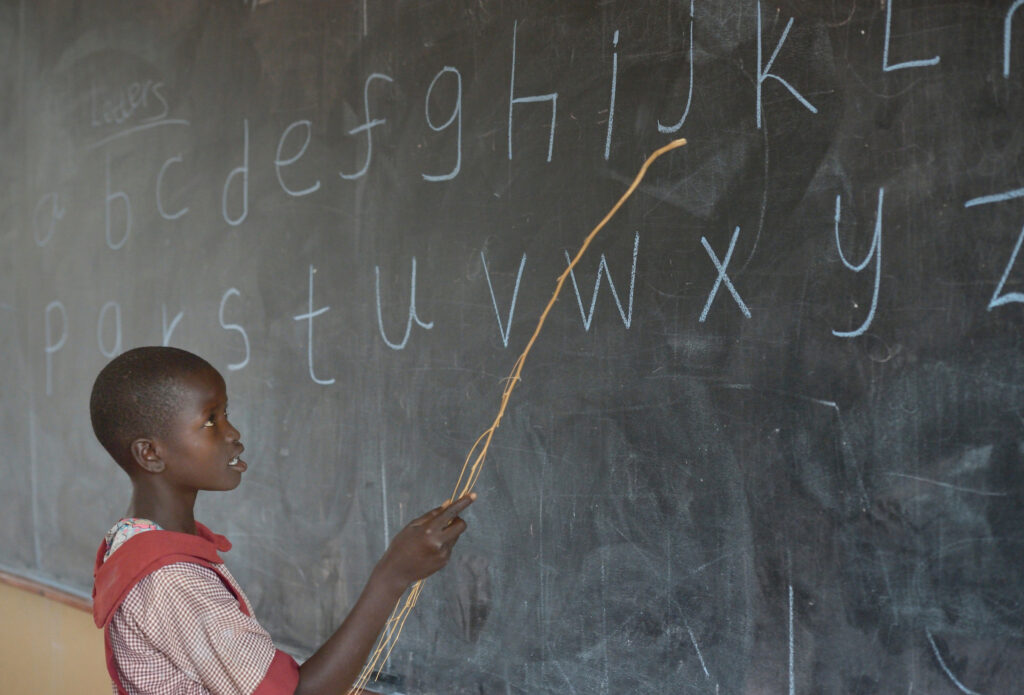
Sister Orla: It’s been essential. In a place like this, community means survival. Peaceful relationships matter more than any structure or project. Over time, we’ve learned to build a community that includes not just the sisters, but also lay people, staff, and our former students.
A few years ago, several graduates invited us to open a new mission ten hours away. They now live and work alongside one of our sisters. It’s a living sign of continuity and shared mission.
Hospitality is huge here — everyone is part of your family. A visitor is a blessing.
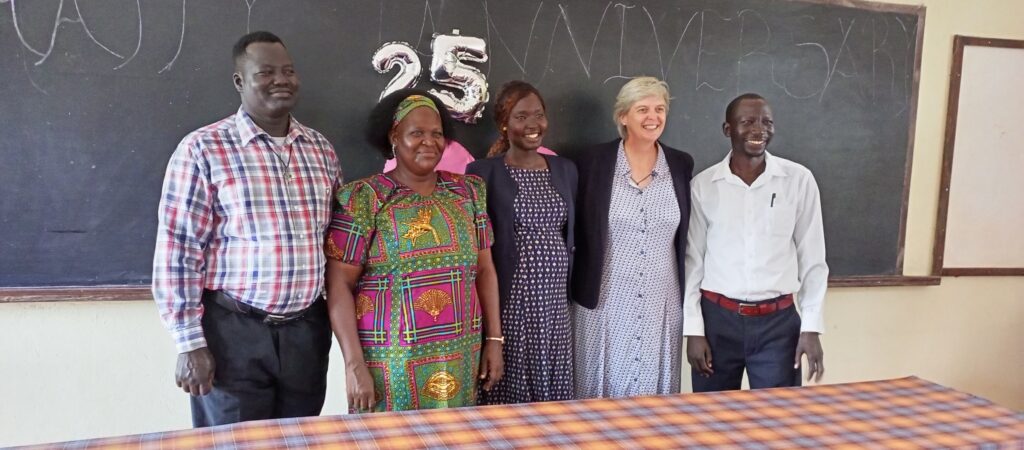
“Our school became a refuge for young women.”
Carla Bellone: Could you share a powerful experience from your years of mission?
Sister Orla: In 2013, one of our students, Rebecca, was forced into marriage. We tried to help her, but were too late. That experience opened my eyes to the deep injustices faced by young women.
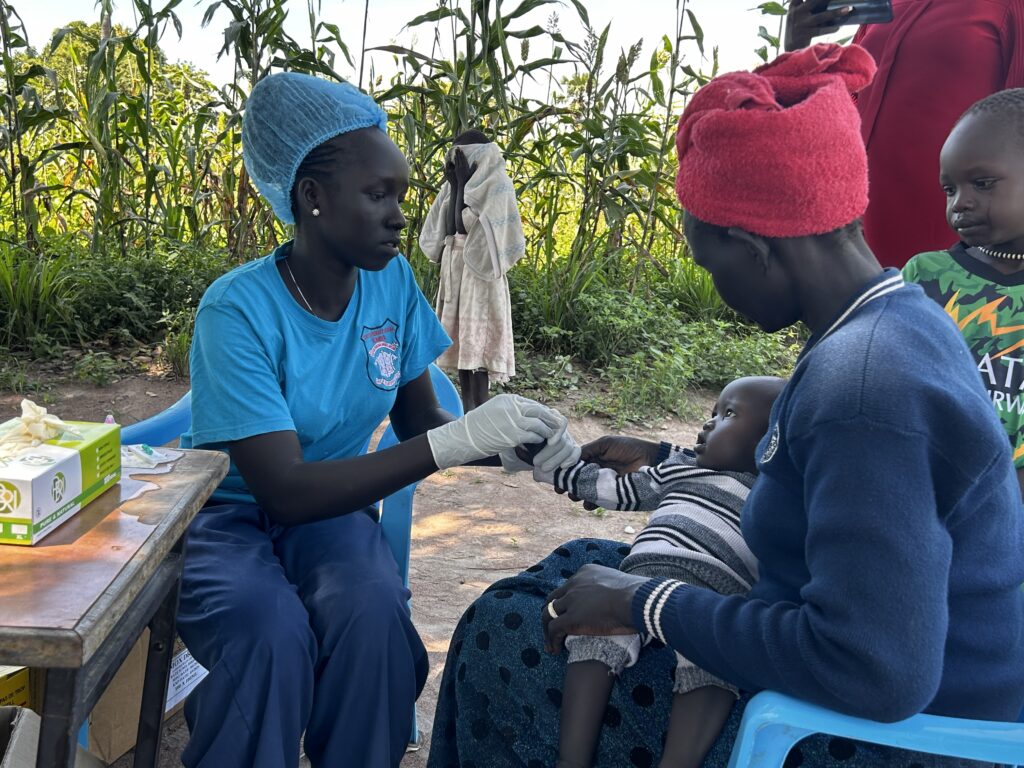
Since then, we’ve established protocols to protect them. Parents must sign an agreement ensuring their daughters remain in school until graduation. Some girls live with us for months, unable to return home safely.
Over time, our boarding school became a refuge for girls escaping forced marriage. Families sometimes oppose us, but we’ve also seen remarkable change — many of our graduates are now supporting and protecting younger students. It’s a slow but real transformation of culture.
“The Magis is not about doing more, but loving more.”
Carla Bellone: Your congregation is deeply rooted in Ignatian spirituality. How does that shape your mission today?
Sister Orla: Discernment guides everything we do. The needs around us are overwhelming — hunger, illness, lack of education — and the danger is becoming purely social workers. But we are not an NGO; Christ is the centre of all we do.
The Ignatian Magis, the “more,” doesn’t mean doing more, but loving more — helping people rediscover their dignity.
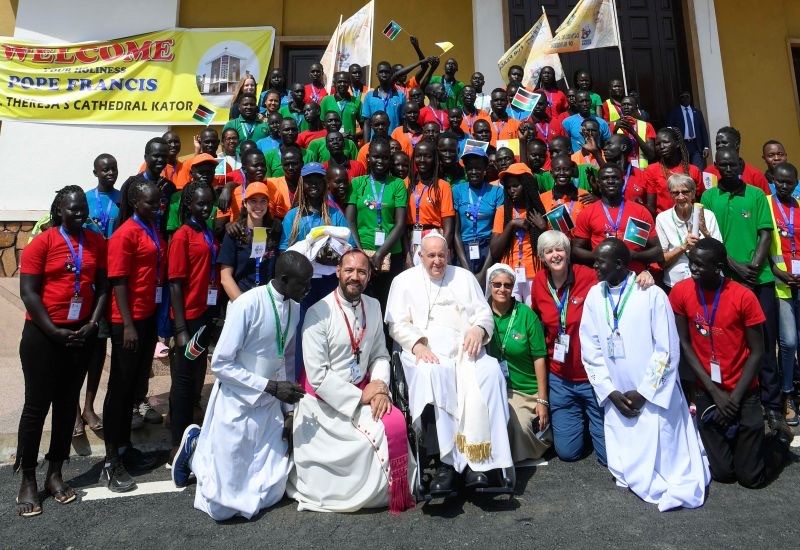
When Pope Francis visited South Sudan in 2023, we organised a pilgrimage for our young people to meet him in Juba. It was simple — sleeping in churches and classrooms — but transformative. Afterwards, they told us, “We want more of God, more prayer, more Jesus.”
That’s when I knew: our mission is not only to educate, but to lead others into a relationship with Christ’s love.
“The Church is the people we walk with.”
Carla Bellone: What message would you share with women — religious and lay — who serve quietly in the shadows?
Sister Orla: I would remind them that the Church is not only about sacraments; it is the people we accompany — the women, the youth, the wounded, the burdened.
We never walk alone. The people we serve carry a deep wisdom of their own, even if they don’t share our language or education. Listening to them and journeying alongside them has made me a better person and a better missionary.
No matter how dark things seem, keep hope alive — find small moments of gratitude each day. That is what sustains our mission and keeps Christ at the centre.
Hope and gratitude — even in small things — these are what keep us faithful to the mission.
Carla Bellone: Thank you, Sister Orla, for your testimony, your courage, and your faith — and for reminding us that even in the most hidden corners of the world, the light of the Gospel continues to shine… perhaps over a simple cup of tea.